



Family caregiving: You care for your family. We employ you

As a Spitex approved under basic insurance, we bill your relative’s health insurer for the basic care you provide. In return, you receive pay of up to CHF 35.00 gross per hour – depending on the canton of the person you care for. You are also covered by social insurance and supported by a qualified nurse.

Free and without obligation – together we look at whether we can employ you.

  • Spitex approved under basic insurance
  • Cantons of Zurich · Aargau · Schwyz · St. Gallen
  • 15 years of Spitex experience
  • Personal advice
Young man with a coffee cup talking with an older man in a wheelchair outside a brick house
Younger woman smiling and pointing something out of the window to an older woman seated in an armchair

With professional support

How you get employed

Four steps to your employment.

From the first conversation to your first pay, we are with you personally.

  1. Free consultation

    Call us on 044 500 49 27 or sign up online. We talk about your situation and answer your questions – with no obligation.

  2. Assessment at your home

    A qualified nurse assesses the care needs together with you and your relative – using the interRAI HC Schweiz instrument. This sets how much basic care is paid for.

  3. Contract and introduction

    You receive an employment contract with Spitex Medimex. Your nurse introduces you to the care and shows you how to keep the care records.

  4. Caring, with support

    You care for your relative and receive your pay every month. Your nurse is there for you – on the phone and in person.

What you get

A job with everything that goes with it.

You provide the care, we provide the framework: pay, insurance, training and a qualified nurse at your side.

Older woman and young woman sitting on a sofa with cups, smiling at each other
  • Pay

    Up to CHF 35.00 gross per hour – depending on the canton of the person you care for – for the basic care you provide, no more than the hours set in the assessment. Paid every month.

  • Social insurance and pension

    You are covered by AHV/IV/EO (old-age and survivors’ insurance, disability insurance and income compensation) and unemployment insurance, and insured against occupational accidents. From 8 hours a week also against non-occupational accidents, and in the pension fund from an annual wage of CHF 22’680 (2026).

  • Training

    You do not need a nursing diploma: we introduce you to the care. If you take a care assistant course – compulsory within the first 12 months in the cantons of Zurich and Aargau – we pay for it up front and cover half of the cost; your share is deducted from your wage in agreed monthly amounts.

  • Your personal contact

    A qualified nurse is there for you: they call you at least every 2 weeks and visit you at least once a month – more often if needed.

  • Relief

    Need a break, for example for a holiday or when you are ill? We plan cover with you – where possible with Spitex Medimex staff.

  • Quality assurance

    Daily care records, regular calls and visits and a new assessment at least every 6 months ensure the quality of care.

Basic care

What counts as basic care.

You are paid for helping with tasks your relative can no longer manage alone because of illness, as defined in the Swiss Health Insurance Benefits Ordinance (Art. 7 para. 2 let. c no. 1 KLV):

  • Bandaging legs and putting on compression stockings
  • Making the bed and positioning
  • Exercises and help with moving
  • Preventing pressure sores and protecting the skin
  • Help with oral and personal hygiene
  • Help with dressing and undressing
  • Help with eating and drinking

How many hours?

A qualified nurse sets them during the assessment at your home – based on the time an outside carer would need. Basic care does not require a doctor’s order; we send the result of the assessment to your family doctor for information.

Basic care as the basis of your pay
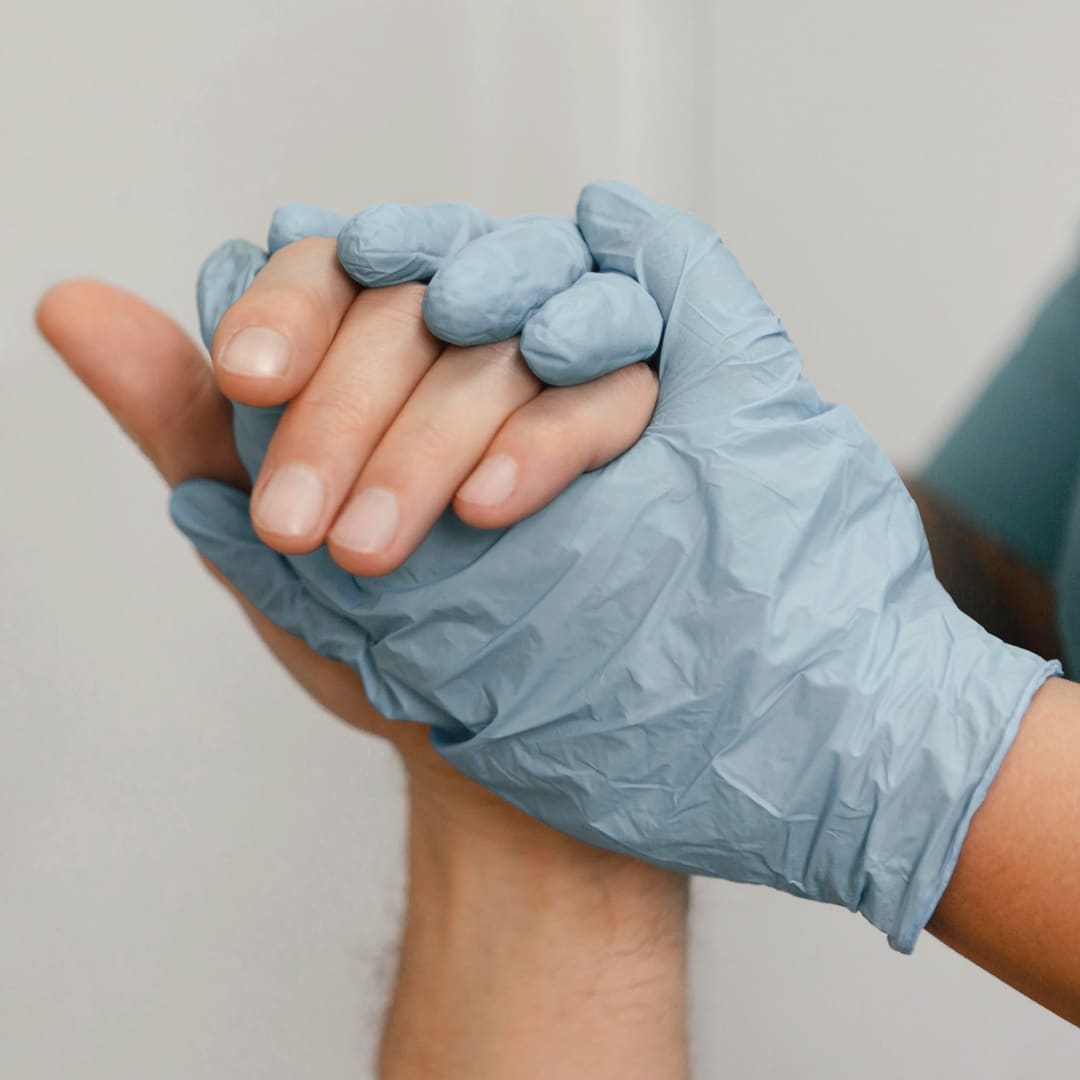
Hand in a blue disposable glove holding a person’s hand

Not paid

  • Treatment care – for example preparing medication, dressing wounds, giving injections
  • Companionship and support
  • Housework
  • Simply being present

If your relative needs treatment care, our qualified nurses provide it.

Quick-Check

Do you meet the requirements?

Six short questions, one clear answer. The Quick-Check is anonymous: your answers stay in your browser and we record no personal details.

The six requirements

  1. At least 18 years old
  2. You care for someone close to you
  3. A stable, long-term care situation
  4. No conflicts with employment law
  5. Willing to take part in quality measures
  6. Everyone involved agrees
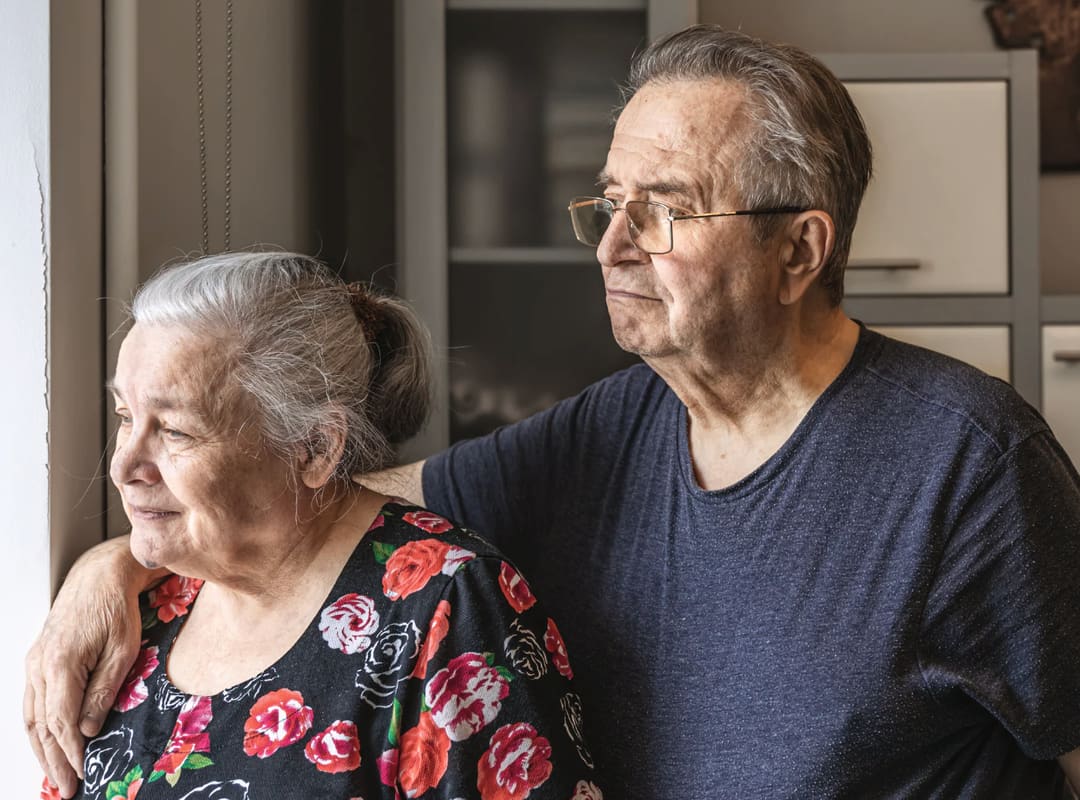
Older man with his arm around an older woman, both looking out of a window

Who can be employed

Family – and the people who are part of it.

Relatives include family members, spouses and partners, and people from your close circle. What matters is not whether you are related, but that you already support your relative regularly and reliably today and take responsibility for them.

  • Daughters, sons and other family members
  • Spouses and partners
  • People from your close circle

You can combine the employment with an existing job.

Who counts as a relative?

Frequently asked questions

Your questions, briefly answered.

The key answers about family caregiving. We are happy to talk through everything else with you in person.

All questions about family caregiving

How to reach us

How much will I earn as a family caregiver?

You receive a wage of up to CHF 35.00 gross per hour – depending on the canton of the person you care for. You are paid for the basic care you provide – up to the time a qualified nurse sets in the assessment at your home. Your wage is paid every month.

Employment and pay for family caregivers

Who can be employed as a family caregiver?

Family members, spouses and partners, and people from your close circle. What matters is not being related, but that you already support the person you care for regularly and reliably and take responsibility for them. You must be at least 18 years old.

Who counts as a family member

Which tasks are paid – what counts as basic care?

You are paid for basic care under Art. 7 para. 2 let. c no. 1 KLV: help with activities that the person you care for can no longer do on their own because of their illness – for example personal hygiene, dressing and undressing, eating and drinking, positioning and mobilisation.

Not paid: treatment care (such as preparing medication, dressing wounds, giving injections), companionship and support, housework and simply being present. Treatment care is provided by our qualified nurses.

What counts as basic care

Does health insurance pay for family caregiving?

Yes, it contributes to basic care. Since the Federal Supreme Court ruling of 18 April 2019 (BGE 145 V 161, 9C_187/2019), it has been clear: relatives employed by a Spitex organisation may provide basic care even without nursing training. The Spitex organisation must support and supervise them professionally.

As a Spitex organisation approved under basic health insurance, Spitex Medimex bills your relative’s health insurer directly. You receive your wage from us.

Legal basis and employment

Does it cost my relative anything?

For your relative, the same applies as with any Spitex service: the deductible, the co-payment and the cantonal patient contribution – even if you have so far cared for them without pay. You will find the amounts for each canton on the Spitex Medimex prices page.

Prices and patient contribution by canton (opens in a new window)

Free and without obligation

Let’s talk about your situation.

Call us or sign up online. Together we will look at whether we can employ you – personally and without obligation.

Call044 500 49 27 Free advicesign up online